_edited.png)
10 Reasons Traditional Therapy Isn’t Working for Him: And How a Faith-Based Brotherhood Can Fix It

It is Men’s Mental Health Month, and you might notice something common in your home or community. You see a man or a teenage boy struggling, and you suggest "going to talk to someone." Maybe he tries it for a few weeks, but then he starts making excuses to skip sessions or simply checks out emotionally.
You wonder why it isn't clicking. You know he’s hurting, but the traditional clinical setting feels like a foreign language to him. The truth is, many men and young men process their internal worlds differently than the standard "sit-and-talk" model suggests.
If you feel like traditional therapy is a mismatch for the man in your life, you aren't alone. Understanding why it feels like a struggle is the first step toward finding a path that actually leads to his healing.
1. It’s Often Too Talk-Heavy
Most traditional therapy relies almost exclusively on verbalizing complex emotions for an hour. For many men, this feels like being asked to build a house without any tools. They often process distress through action or logic rather than pure conversation.
If he feels like he is just "venting" without a clear purpose, he may quickly lose interest. He wants to know how to fix the leak, not just describe how the water feels on his feet.
2. The "Face-to-Face" Pressure
There is an intense social pressure that comes with sitting directly across from someone and maintaining eye contact while discussing your deepest failures. For many men and teen boys, this can feel confrontational rather than comforting.
Research shows that men often connect better when they are "side-by-side." Whether it’s working on a car, hiking, or playing a sport, the conversation flows more naturally when the focus isn't a direct stare-down.

3. Vulnerability is Often Misinterpreted as Weakness
From a young age, many boys are taught that "toughness" means invulnerability. Walking into a clinical office and admitting they can't handle a situation feels like a surrender of their masculine identity.
When therapy focuses solely on vulnerability without framing it as "courage" or "training," he might feel emasculated. He needs to know that seeking help is a strategic move for a stronger future, not a sign of defeat.
4. It Ignores His Spiritual Anchor
For many in our community, faith isn't just a hobby; it’s the foundation of who they are. Secular therapy often leaves God at the door. If his therapist doesn't understand the power of prayer or the authority of Scripture, he’s only getting half the help he needs.
He needs a space where his nervous system regulation is tied to the peace that surpasses all understanding. Without that spiritual connection, the advice can feel hollow.
5. A Lack of Clear, Actionable Goals
Men are often mission-oriented. They want to know the "why" and the "how." Traditional therapy can sometimes feel open-ended and vague, leaving him wondering what he’s actually accomplishing.
If there isn’t a clear roadmap or a "win" for the week, he may feel like he’s wasting time. He thrives when he has a mission to complete and a standard to meet.
6. The Focus is Stuck in the Past
While understanding the past is vital for healing, many men are naturally future-focused. They want to know how to be a better father, husband, or leader tomorrow.
When a session spends 50 minutes digging into childhood wounds without offering a strategy for Monday morning, he disengages. He needs a balance of "where I’ve been" and "where I’m going."
7. The Clinical Environment Feels Sterile
White walls, clipboards, and "How does that make you feel?" questions can feel like a doctor’s appointment for a broken arm. For a man who spends his life in the "real world," the office can feel like a cage.
He often finds more healing in environments that feel natural: outdoors, in a workshop, or in a circle of peers. The setting matters more than we often realize.
8. He Feels "Outmatched" Verbally
Statistics show that women, on average, use more words per day and are often more comfortable articulating nuanced emotions. In a therapy setting, especially in couples counseling, a man might feel like he can't keep up with the verbal pace.
When he can’t find the right word, he might shut down entirely. He needs a space that respects silence and allows him to process at his own speed without judgment.
9. Isolation vs. Brotherhood
Traditional therapy is a solo journey. But men were designed for the "tribe." When he’s struggling, he doesn't just need a clinical expert; he needs to know that other men are in the trenches with him.
The isolation of one-on-one therapy can actually reinforce the idea that he’s the "only one" with these problems. Brotherhood breaks that lie immediately.

10. A Lack of Real-World Accountability
A therapist sees you for one hour a week. A brotherhood sees how you live. Men respond deeply to accountability: the kind where another man looks him in the eye and asks, "Did you do what you said you were going to do?"
Without that "iron sharpening iron" element, growth can become stagnant. He needs someone to walk the path with him, not just point at the map.
The Solution: Faith-Based Brotherhood
So, if the traditional model isn't the perfect fit, what is? We believe the answer lies in combining professional mental health expertise with the power of a faith-based community. This is why our transformational workshops focus on practical, biblical truth.
When men gather under the banner of Christ to tackle their mental health, the dynamic shifts from "patient and doctor" to "brothers in arms." Here is why this works:
Shared Values: You don't have to explain why your faith matters; it’s the starting point.
Action-Oriented Healing: We focus on the "soul-work" that leads to real change in your marriage and family life.
Mentorship: Younger men learn from the wisdom of those who have walked the path before them.
Practical Steps to Start the Journey
If you or a man you love is ready for a different approach, consider these simple steps:
Look for "Side-by-Side" Opportunities: Find a men's small group that does things together: service projects, hiking, or sports.
Integrate Scripture and Mental Health: Start with resources like The Healed Soul book that bridge the gap between biblical truth and emotional wellness.
Prioritize Your Marriage: If you are a couple, look into programs like We Still Do Marriage Enrichment that provide a structured, faith-based environment for growth.
Practice "Direct Prayer": Instead of just thinking about problems, take them to God with other men. There is power in hearing another man pray for you.

Reflective Questions for You
When you think about "getting help," what is the first feeling that comes to your mind? Is it relief or a sense of failure?
Who are the two or three men in your life you could be truly honest with today?
Does your current support system include God as the central healer, or is He an afterthought?
You Are Built for Strength and Healing
Remember, your struggle does not define your masculinity. In fact, having the courage to face your internal wounds is one of the most "manly" things you can do. You have the inherent strength to lead your family and your own soul toward wholeness.
You don't have to do this in a sterile office by yourself. There is a community of brothers waiting to walk beside you. Take heart, because healing is not just possible: it is your inheritance as a child of God.
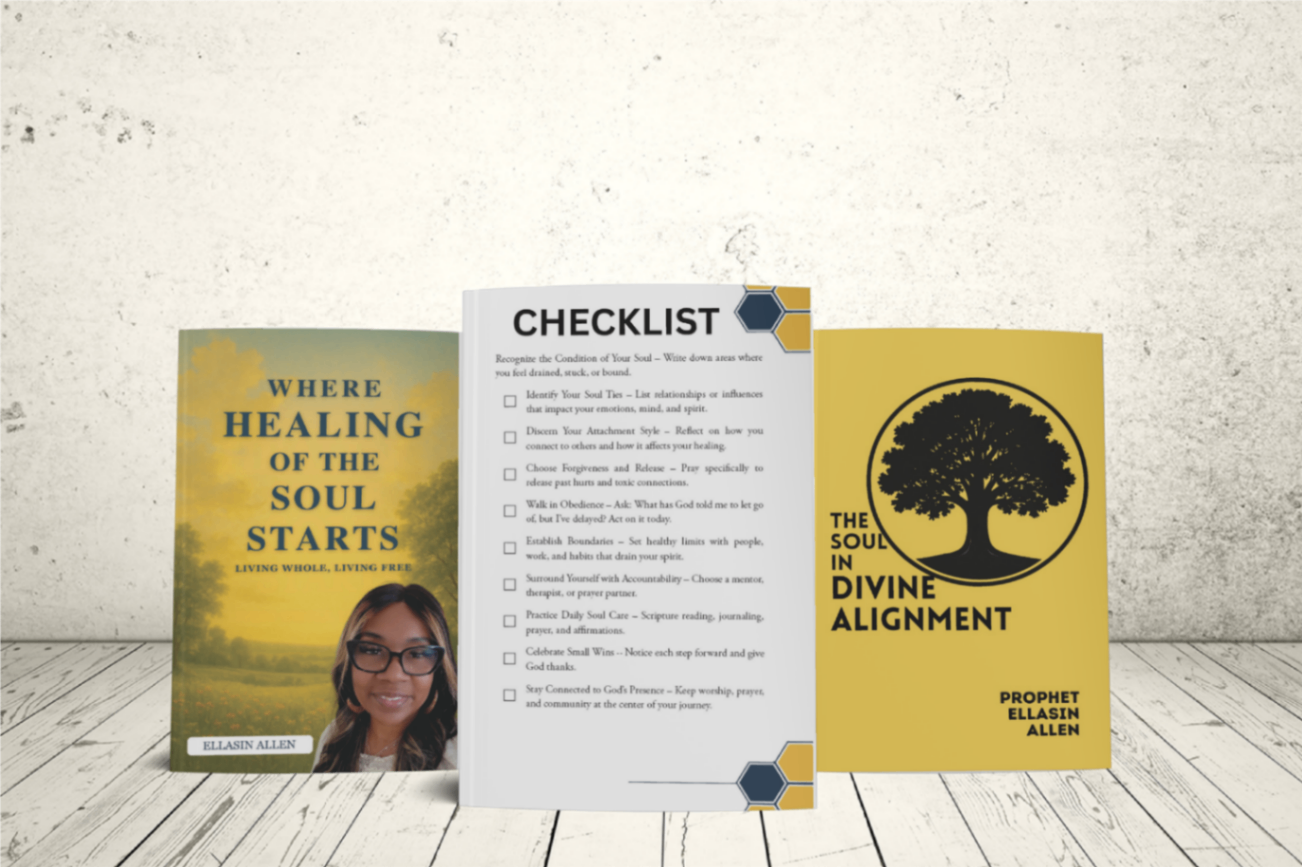
Are you ready to move from surviving to thriving? Explore our full library of guides or join us at our next speaking engagement to find the tools you need for a transformed life.
Comments