_edited.png)
Building New Traditions: How Faith Can Reframe a Lonely or Painful Holiday
- Mrs. E

- Dec 22, 2025
- 5 min read
The holidays are supposed to be magical, right? But what happens when December arrives and instead of excitement, you feel dread? What do you do when family traditions feel empty, when loss has changed everything, or when loneliness seems to echo louder during the "most wonderful time of the year"?
You're not alone in this struggle. Many of us have walked through holiday seasons that felt more like endurance tests than celebrations. The good news is that faith offers us a beautiful opportunity to rebuild, reimagine, and create new traditions that actually bring peace to our hearts.
When Old Traditions No Longer Fit
Sometimes life shifts so dramatically that the ways you've always celebrated no longer work. Maybe you're spending your first holiday after a divorce, dealing with the loss of a loved one, or finding yourself geographically separated from family. Perhaps you're in a season of financial struggle that makes traditional celebrations feel impossible.
These changes don't mean you're broken or that joy is permanently out of reach. They mean you're in a season of transition, and transitions call for new approaches. Your faith can be the foundation for creating traditions that honor where you are now, not where you used to be.
Think about this: even Jesus experienced profound change and loss. He understands what it feels like when life doesn't look like what everyone else expects. Your current circumstances don't disqualify you from experiencing meaningful holidays: they just require you to get creative with how you celebrate.
The Power of Purposeful Traditions
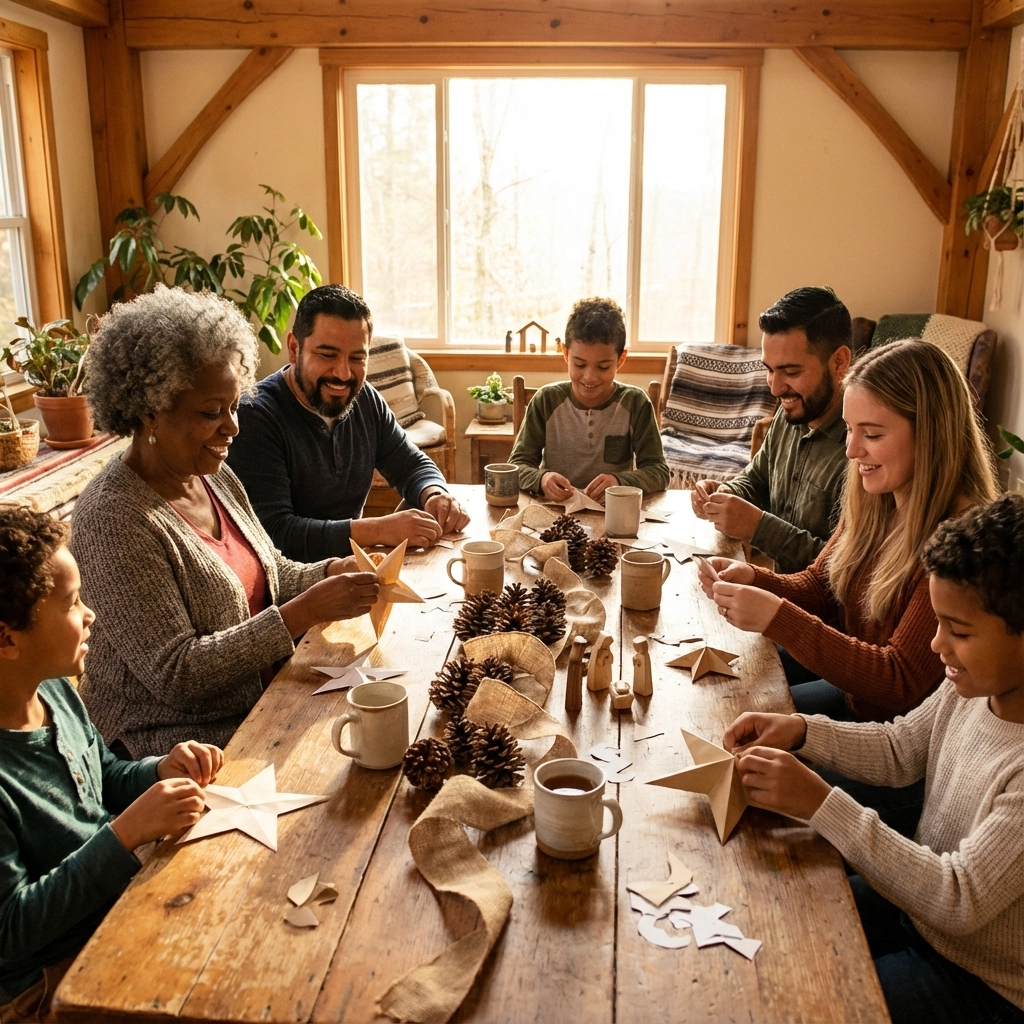
Here's what I've learned through years of counseling individuals and families: the most healing traditions are the ones rooted in purpose rather than obligation. When you shift from "this is how we've always done it" to "this is what brings meaning to my life now," everything changes.
Faith-based traditions have a unique power because they connect you to something larger than your immediate circumstances. Instead of focusing on what's missing, you can center your celebrations around the spiritual significance of the season.
Consider creating a tradition of making a birthday cake for Jesus on Christmas Day. This simple act redirects your focus from material expectations to the wonder of the Incarnation. Or set up a nativity scene that becomes a daily reminder of God's presence with you, especially during difficult times.
Practical Steps for Building New Traditions
Start Small and Be Intentional
You don't need to create an elaborate celebration overnight. Begin with one meaningful activity that reflects your current reality and spiritual needs. Maybe it's lighting an Advent candle each evening while reading a verse of Scripture, or taking a daily walk to reflect on God's faithfulness.
Ask yourself: What would bring me genuine peace and joy this season? What would help me feel connected to God and to the true meaning of this holiday?
Embrace Community Differently
Loneliness during the holidays often stems from comparing your current reality to past experiences or other people's celebrations. But faith communities offer countless opportunities for meaningful connection that don't depend on traditional family structures.
Attend special church services during the holiday season. Christmas Eve services, in particular, create a sense of belonging and shared purpose. Participate in church-organized activities like caroling or serving at community dinners. These experiences shift your focus from receiving to giving, which naturally combats loneliness.
Consider organizing a simple gathering with friends who might also be navigating non-traditional holidays. Make snack bags for the homeless together, or have a potluck dinner where you each share a story about God's faithfulness this year.
Create Traditions Around Service
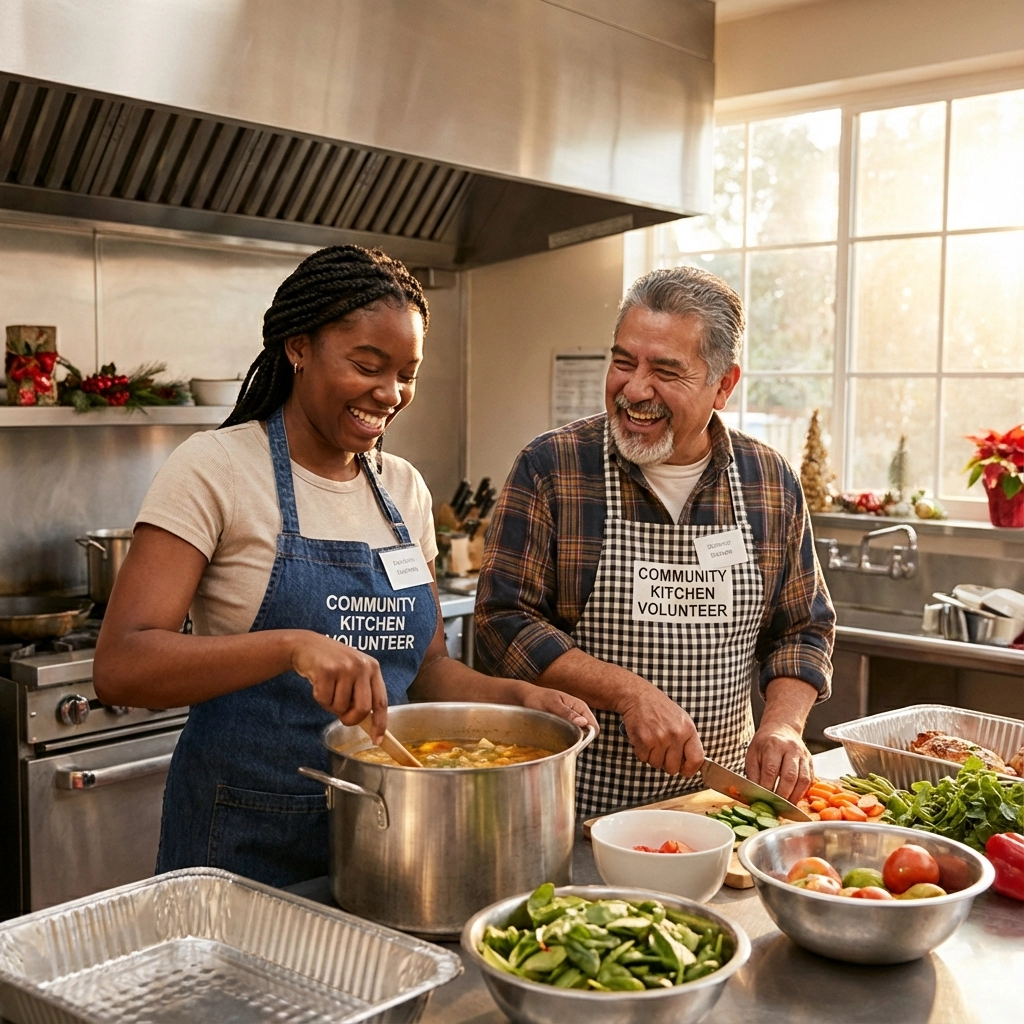
Some of the most meaningful holiday traditions emerge from serving others. When you're struggling with your own pain, reaching out to help someone else can provide perspective and purpose. This isn't about ignoring your feelings: it's about channeling them into something that brings light to others.
Volunteer at a local shelter, deliver meals to elderly neighbors, or organize a toy drive at your church. These activities create new memories while connecting you to the heart of the season: love in action.
Use the Advent Season Intentionally
The four weeks before Christmas were designed as a time of preparation and reflection. Instead of rushing through December, use Advent as a framework for processing your emotions while anticipating Christ's presence in your life.
Create an Advent calendar that includes daily scripture readings and prayers specifically chosen for your situation. If you're grieving, choose passages about God's comfort. If you're lonely, focus on verses about God's constant presence. If you're struggling financially, meditate on God's provision.
This intentional approach transforms the waiting period from anxiety-inducing to spiritually nourishing.
Reframing Pain Through Faith
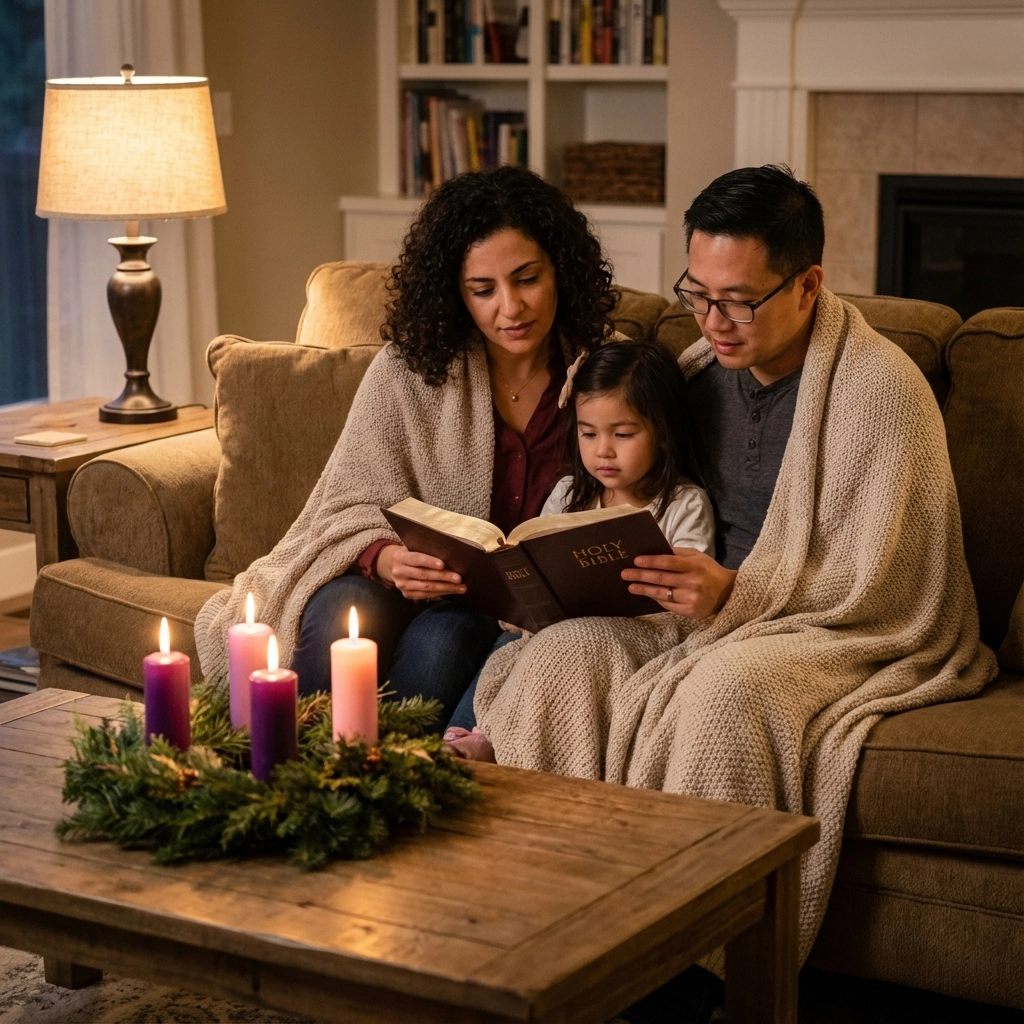
Your faith doesn't require you to pretend everything is fine during the holidays. In fact, authentic faith acknowledges difficulty while holding onto hope. The Christmas story itself is filled with uncertainty, displacement, and challenges: Mary and Joseph weren't experiencing a picture-perfect holiday either.
When pain feels overwhelming during holiday seasons, create traditions that honor both your struggles and your faith. Light a candle for loved ones who have passed away while thanking God for the time you had together. Write in a gratitude journal each day, specifically noting how God has carried you through difficult moments.
Consider starting a tradition of honest prayer: telling God exactly how you feel about this season while asking for His comfort and guidance. Sometimes the most healing tradition is simply creating space to be real with yourself and with God.
Building Traditions That Last
The most sustainable new traditions are those that can adapt as your life changes. Instead of rigid requirements, create flexible frameworks that can grow with you. Maybe your tradition is always having a meaningful conversation about God's faithfulness, whether that's with one person or ten people around your table.
Perhaps your tradition becomes taking time on Christmas morning to write down three ways you've seen God's presence in your life this year. This tradition works whether you're alone or surrounded by people, whether you're in your own home or visiting somewhere new.
Remember, you're not trying to recreate what others have or what you used to have. You're creating something new that fits your current reality and honors your faith journey.
Moving Forward with Hope
Building new traditions during difficult seasons takes courage, but it also offers incredible freedom. You get to choose what matters most to you now. You get to create celebrations that truly reflect your values and your relationship with God.
This doesn't mean every moment will be joyful or that you won't feel sadness during the holidays. It means you're actively choosing to create meaning rather than passively enduring the season.
Your new traditions might look different from anyone else's, and that's perfectly okay. What matters is that they connect you to God's love, help you process your emotions honestly, and create space for authentic celebration in whatever form that takes for you.
As you move into this holiday season, give yourself permission to do things differently. Trust that God can meet you exactly where you are and help you create traditions that bring genuine peace to your heart. You're not just surviving this season: you're learning to thrive in it, one meaningful tradition at a time.
Comments