_edited.png)
Estranged From Family? Healing and Peace for the Holiday Season
- Mrs. E

- Dec 11, 2025
- 6 min read
The twinkling lights and festive gatherings that define the holiday season can feel like salt in an open wound when you're estranged from family. While others share stories of holiday preparations and family traditions, you might find yourself navigating a complex mix of grief, anger, longing, and even relief.
You're not alone in this struggle. Family estrangement affects millions of people, and the holidays can intensify emotions you've been managing throughout the year. Whether your estrangement is recent or has lasted for years, this season doesn't have to be defined by pain and isolation.
The Reality of Holiday Estrangement
Holiday estrangement carries a unique weight because this time of year emphasizes family connection and togetherness. Social media feeds fill with happy family photos, office conversations center around holiday plans, and everywhere you turn, the message seems to be that families should be together.
When you're estranged from family members, these constant reminders can trigger feelings of shame, sadness, or even questioning whether you made the right choice in setting boundaries or walking away. You might find yourself wondering if other people judge your situation or assume something is wrong with you.

The truth is that healthy boundaries sometimes require distance, even from family members. Your peace of mind and emotional well-being matter, and protecting yourself from toxic or harmful relationships isn't selfish: it's necessary for your healing journey.
Some estrangements happen suddenly after a major conflict, while others develop gradually as unhealthy patterns become unbearable. Either way, the holidays can feel like a spotlight on what's missing rather than an opportunity for joy and celebration.
Starting Your Healing Journey
Before you can move forward: whether that means reconciliation or finding peace in your current situation: you need to focus on healing yourself first. This isn't about rushing toward forgiveness or pretending the hurt doesn't exist. It's about giving yourself permission to process your emotions fully and honestly.
Take time to reflect on your own role in the estrangement without taking on inappropriate guilt or shame. This doesn't mean accepting blame for someone else's harmful behavior. Instead, it means examining your responses, patterns, and choices with compassion and a desire for growth.
Consider working with a counselor who understands family dynamics and can help you navigate these complex emotions. Professional support provides a safe space to explore your feelings without judgment and can help you develop healthy coping strategies.

Many people find it helpful to journal about their experiences, pray for wisdom and peace, or seek support from trusted friends who can offer perspective without trying to fix the situation. Remember that healing happens in layers, and you don't have to rush the process to meet anyone else's timeline.
When Reconciliation Feels Possible
If you're considering reaching out to estranged family members during the holiday season, approach the possibility with both hope and realistic expectations. Not every person will be ready for reconciliation, and some attempts at connection might not go as you'd hoped.
Before making contact, prepare yourself mentally and emotionally for various outcomes. The other person might respond positively, negatively, or not at all. Having realistic expectations helps protect your emotional well-being regardless of their response.
When you do reach out, lead with humility and empathy. Use "I" statements to express your feelings without placing blame or rehashing old grievances immediately. Focus on keeping communication lines open rather than resolving every issue in the first conversation.
Written communication can sometimes feel safer for initial contact. A thoughtful letter or message that demonstrates genuine remorse and self-reflection can show that you're committed to growth and change, not just seeking to return to old patterns.
Consider involving a neutral third party, such as a family therapist or counselor, to help mediate conversations if direct communication feels too charged. Professional guidance can help both parties feel heard and communicate more effectively.
When Reconciliation Isn't the Path
Sometimes reconciliation isn't possible or healthy, and that's okay. Some relationships cause more harm than healing, and continuing estrangement might be the most loving choice you can make for yourself and potentially for the other person as well.
If reconciliation isn't an option, focus on finding peace within your current situation. This doesn't mean you have to feel happy about the estrangement, but you can work toward accepting it without carrying constant anger or resentment.

Practice self-compassion as you navigate this reality. Remind yourself that you're not responsible for other people's choices or emotional responses. You can only control your own actions and reactions, and choosing your mental health and well-being isn't a failure.
Many people discover that addressing internalized critical voices becomes essential during this process. You might notice patterns of self-punishment or harsh inner dialogue that persist even without contact with the estranged family member. Working to develop a gentler inner voice supports your healing journey.
Creating New Traditions and Finding Community
One of the most empowering steps you can take is creating new holiday traditions that bring you joy and peace. This isn't about replacing what you've lost, but about building something meaningful that reflects who you are now and what matters to you.
Your new traditions might include volunteering with organizations that serve others during the holidays, hosting gatherings for friends who also lack nearby family, or creating special rituals that honor your spiritual beliefs and values.
Consider reaching out to your chosen family: friends who provide the love and support that your biological family couldn't offer. These relationships often become deeper and more meaningful than traditional family bonds because they're built on mutual respect and genuine care.
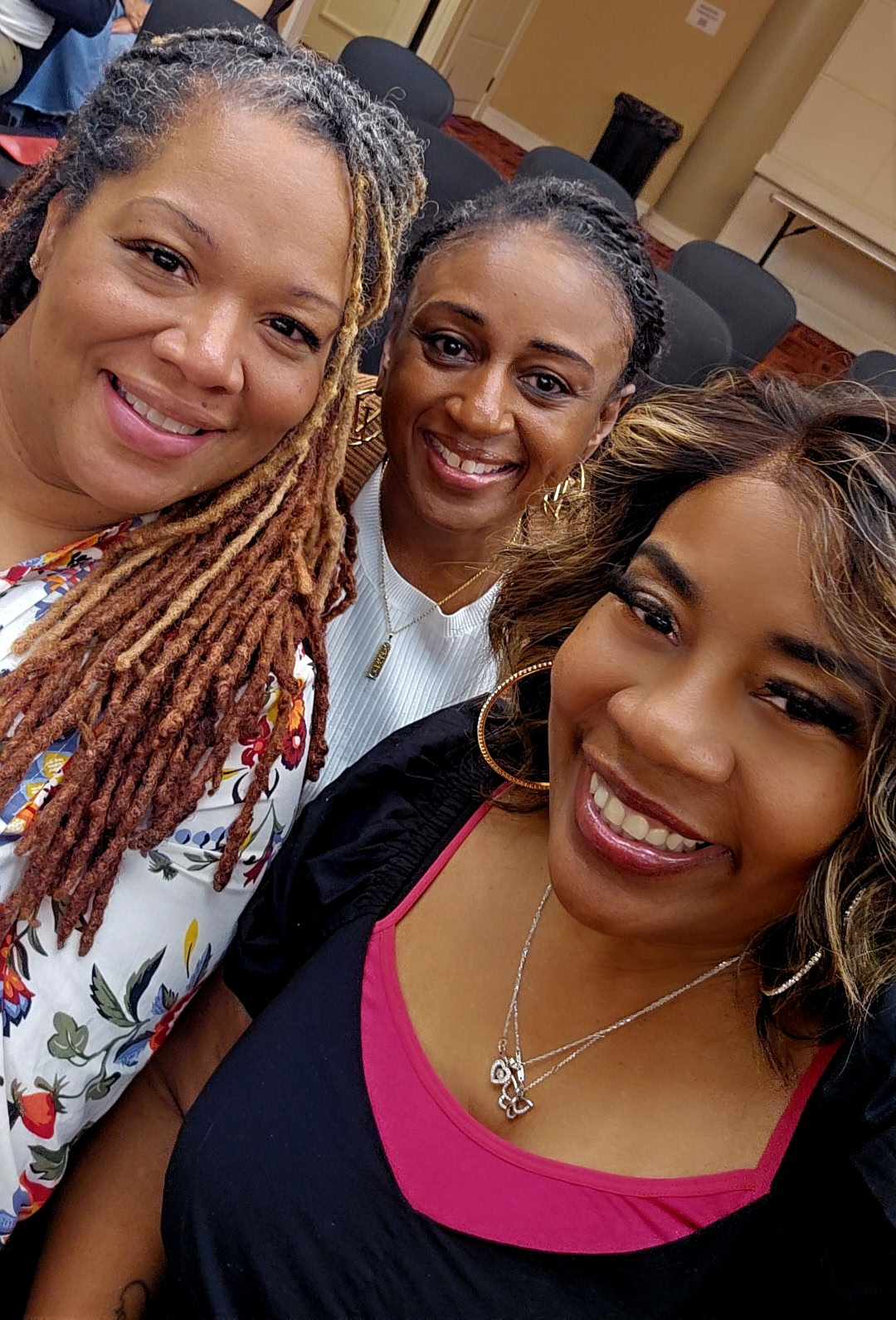
Faith communities can provide significant support during this season. Whether through special services, small group gatherings, or volunteer opportunities, connecting with others who share your values can help combat loneliness and provide a sense of belonging.
Don't underestimate the power of simple self-care practices during the holidays. Creating cozy evenings at home, taking walks to enjoy holiday decorations, or treating yourself to special meals can help you find joy in the season without requiring family involvement.
A Faith Perspective on Forgiveness and Healing
From a Christian perspective, forgiveness doesn't require reconciliation or pretending harmful behavior didn't happen. True forgiveness is about releasing the burden of anger and resentment for your own spiritual and emotional freedom, not about enabling continued harm or dysfunction.
God understands family pain intimately. Jesus himself experienced rejection from his hometown and knew what it felt like when people didn't understand his mission or message. You can bring your family pain to God knowing that he sees your heart and understands your struggle.
Forgiveness often happens in stages rather than as a single decision. You might find yourself forgiving the same situation multiple times as different layers of hurt surface. This is normal and doesn't indicate failure: it shows that you're committed to your healing journey.
Prayer can become a powerful tool for processing your emotions and finding peace. Ask for wisdom in navigating your relationships, strength to make healthy choices, and comfort during difficult moments. God's love for you isn't dependent on your family relationships or their approval.
Moving Forward with Hope
As you navigate this holiday season, remember that your worth isn't determined by your family relationships. You are loved, valued, and deserving of peace and joy, whether or not reconciliation ever happens.
Healing from family estrangement takes time, and progress rarely happens in a straight line. Some days will feel harder than others, especially during emotionally charged seasons like the holidays. Give yourself permission to feel whatever emotions arise without judgment.
Focus on what you can control: your responses, your choices, your boundaries, and your commitment to your own healing. You cannot control other people's decisions, timing, or willingness to change, but you have complete authority over your own journey.

Consider this season an opportunity to discover new sources of joy, connection, and meaning. Sometimes our greatest growth happens when we're forced to find strength we didn't know we possessed and create beauty from broken places.
Your story isn't over, and your family situation doesn't define your future. Whether this season brings unexpected reconciliation or deeper peace within your current circumstances, you have the capacity to find healing and hope. Trust the process, be patient with yourself, and remember that you're not walking this journey alone.
The holidays can become a time of authentic joy and peace, even when they look different from what you once imagined. Your healing matters, your peace is worth protecting, and your future holds possibilities you might not be able to see yet.
Comments