_edited.png)
Holy Boundaries: How Saying 'No' Can Be an Act of Worship

Have you ever felt like your "yes" was actually a weight dragging you down? Maybe you’re the person everyone calls because they know you’ll show up, bake the cookies, lead the committee, or listen to their problems for three hours, even when you’re running on empty.
In our faith communities, we often equate being a "good Christian" with being a "yes person." We feel a twinge of guilt every time we think about turning down a request, fearing that saying "no" is somehow unloving or un-Christlike. But what if I told you that your "no" could actually be a beautiful act of worship?
Today, I want us to lean into a concept I call Holy Boundaries. It’s the radical idea that protecting your peace and mental health isn't just self-care, it’s soul-care and stewardship of the life God gave you.
The Myth of the "Limitless" Christian
We live in a culture, even within the church, that praises burnout as if it’s a spiritual gift. We think that if we aren’t exhausted, we aren't serving hard enough. This mindset tells us that our needs don't matter and that our "temple" is actually a public park where everyone is allowed to trample.
But here is the truth: You are a finite human being with real limits. God designed you that way on purpose. When you ignore those limits, you aren't being more spiritual; you’re actually trying to be God.
Accepting your boundaries is an act of humility. It’s admitting, "I am not the Savior; Jesus is." When we stop trying to do everything for everyone, we finally leave room for God to do what only He can do.
Looking at the Master: How Jesus Set Boundaries
If you ever feel guilty about setting a boundary, look at the life of Jesus. He is our ultimate example of love, yet He was also the master of the "Holy No." He didn't let the demands of the crowd dictate His mission.
Think about the times Jesus slipped away. In Luke 5:16, the Bible says He "often withdrew to lonely places and prayed." Notice the word "often." He didn't wait until He was having a breakdown; He made withdrawal a regular rhythm of His life.
Jesus also set limits on His time and energy. He slept in the middle of a storm while His disciples panicked. He told His friends "no" when they wanted Him to stay in one town, because He knew His assignment was elsewhere. He even redefined access to Himself based on His Father’s will, not cultural expectations.
If the Son of God needed to say "no" to people to say "yes" to His Father, why do we think we can do it all? Setting a boundary isn't a sign of weakness; it’s a sign that you are following in the footsteps of the Savior.
Your Soul is a Temple, Not a Public Park
The Bible tells us that our bodies are temples of the Holy Spirit. If you were the caretaker of a physical church building, you wouldn't let people come in and spray-paint the walls or leave trash in the pews, right? You would protect it because it is sacred.
Your mind, your emotions, and your time are just as sacred. Stewardship isn't just about how you spend your money; it’s about how you manage the energy God has entrusted to you.
When you say "no" to a toxic relationship or an overwhelming commitment, you are essentially saying, "I value what God has placed inside of me too much to let it be depleted by things He didn't ask me to carry."
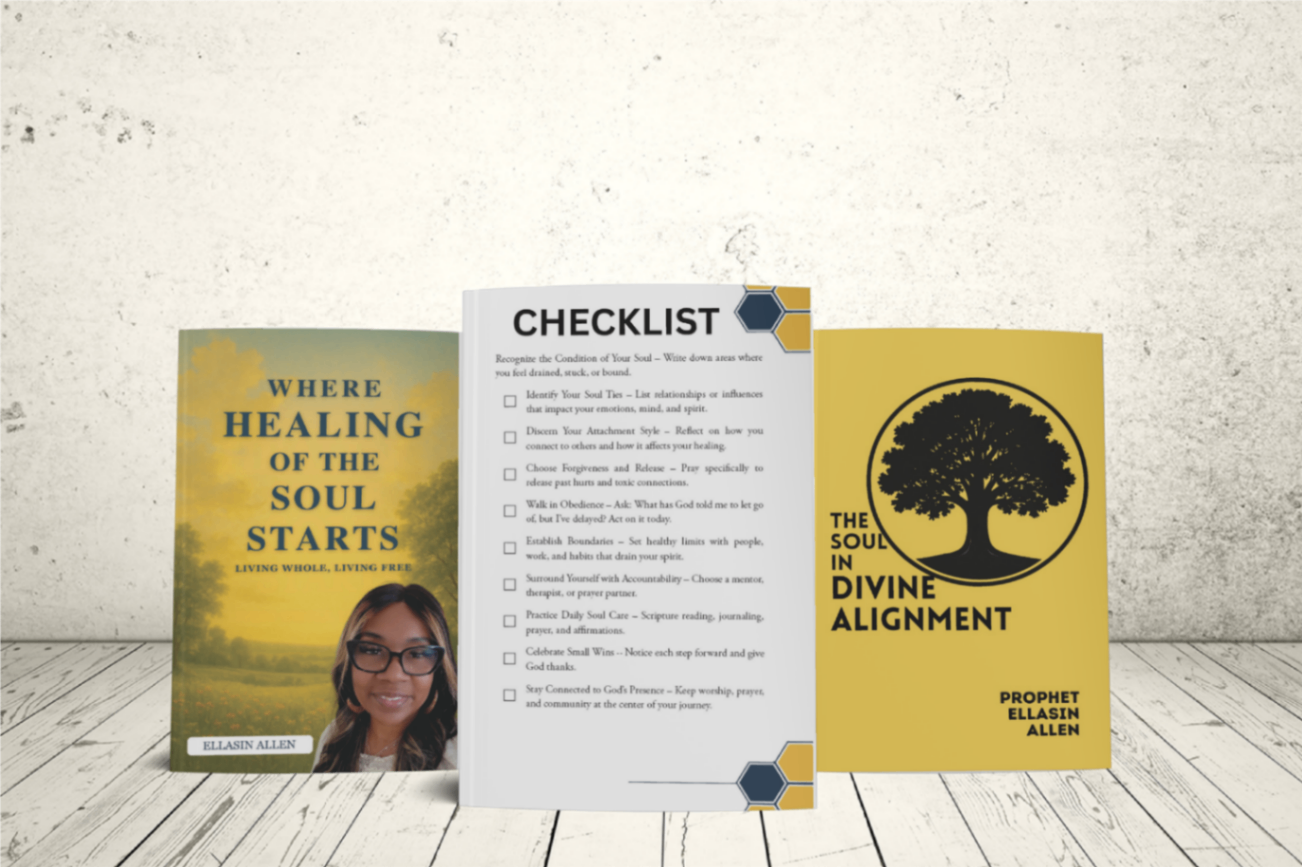
If you're looking for a way to start evaluating where your soul stands right now, I highly recommend checking out The Healed Soul Workbook. It’s designed to help you identify those areas where your "temple" needs a bit of restoration.

The "Holy No" as a Spiritual Discipline
Think of your "no" as a "yes" to something better. When you say "no" to an extra task that would keep you from rest, you are saying "yes" to the Sabbath. When you say "no" to a draining conversation, you are saying "yes" to the peace that surpasses understanding.
Worship is about giving God His rightful place in our lives. When we set holy boundaries, we are making room for Him. We are clearing out the noise so we can actually hear His whisper.
Setting boundaries is a practice of trust. You are trusting that God can take care of the people you say "no" to. You are trusting that the world won't stop spinning if you take a nap. That trust is a profound form of worship.
Practical Steps to Setting Holy Boundaries
I know that saying "no" can feel terrifying at first. You might worry about hurting feelings or looking "un-Christian." Here are a few practical ways to start implementing holy boundaries with grace:
The 24-Hour Rule: When someone asks for your time or a favor, don't answer immediately. Say, "Let me pray about that and get back to you tomorrow." This gives you space to check in with your spirit.
Use "I" Statements: Instead of blaming the other person, focus on your capacity. "I would love to help, but I don't have the emotional capacity to give this the attention it deserves right now."
Identify Your "Non-Negotiables": What are the things that keep you healthy? Maybe it’s your morning prayer time, a weekly date night, or your Saturday morning walk. Protect these like the treasures they are.
Practice the "Graceful Decline": You don't need a long excuse. A simple, "Thank you so much for thinking of me, but I'm not able to commit to that right now," is plenty.
Remember, a boundary is not a wall to keep people out; it’s a gate to keep your peace in. If you want to dive deeper into this kind of personal growth, our Ignite the Spark eBook is a great resource for reclaiming your joy and focus.
Overcoming the Guilt
You might feel a rush of guilt the first few times you set a boundary. That’s okay. Guilt is often just a sign that you’re breaking an old, unhealthy pattern.
Ask yourself: Is this guilt coming from the Holy Spirit, or is it coming from my need to be liked? God never asks us to serve at the expense of our sanity. He desires mercy, not just sacrifice.
Be patient with yourself. Healing your soul and learning to live "whole and free" is a journey, not a destination. You are unlearning years of people-pleasing, and that takes time.
Reflection Questions for Your Journey
Take a moment today to sit with these questions. Maybe write them down in your journal or discuss them with a trusted friend:
Where in my life do I feel the most drained or resentful?
What am I saying "yes" to out of obligation rather than out of love?
If I had more space in my schedule, what would I spend that time doing for my relationship with God?
How can I honor my "temple" this week by saying a "Holy No"?

You Don't Have to Walk This Path Alone
Setting boundaries is hard work, especially when you've spent a lifetime being the "strong one." If you feel like you need more personalized support to navigate these shifts in your relationships or your spiritual life, we are here for you.
Whether it’s through one-on-one coaching or attending one of our upcoming workshops, you don't have to figure this out by yourself. You can even book an online session today to start your healing journey.
Setting holy boundaries isn't about being mean or selfish. It’s about being a faithful steward of the one life God has given you. It’s about ensuring that when you do say "yes," it comes from a heart that is full, healthy, and truly ready to love.
Go ahead, give yourself permission to say "no" today. Your soul will thank you, and I believe God will be honored by your obedience to rest.
Want to dive deeper into spiritual alignment? Check out our book, The Soul in Divine Alignment, to learn more about how to live a life that is fully integrated with God's design for your peace and purpose.
Reminder: Please post this to the blog by 9 AM on Monday morning!
Comments